
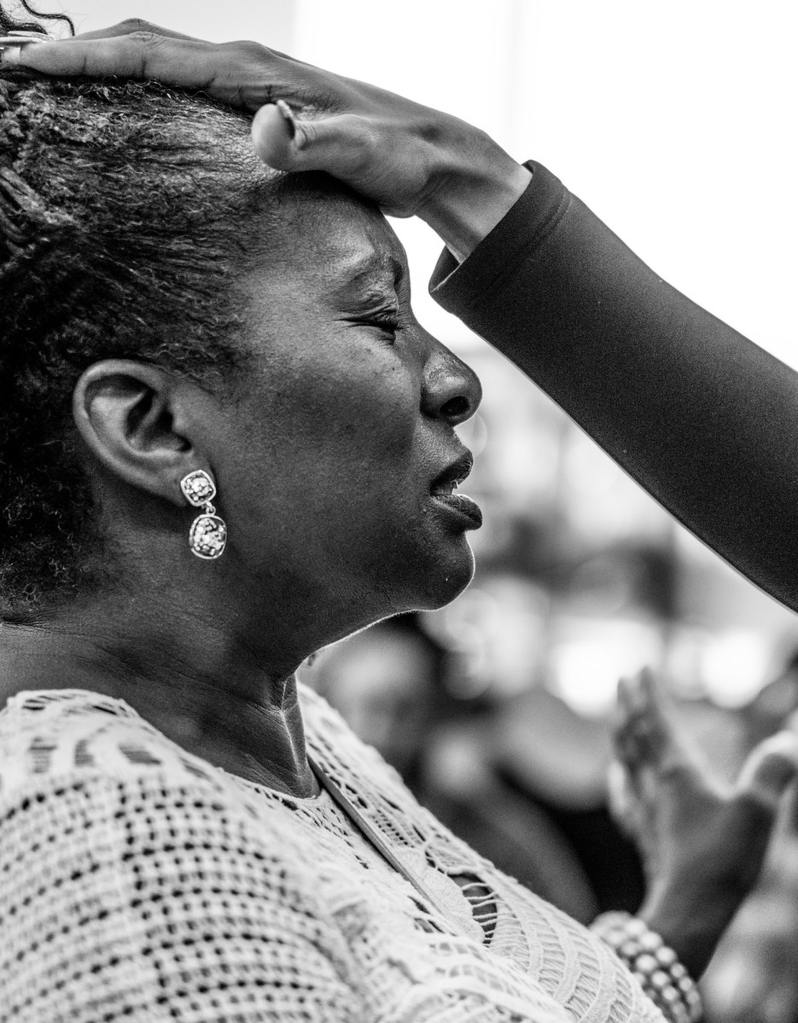
Life is full of battles. There are battles within our own souls, battles against adversaries, battles on behalf of others. Some of these conflicts are visible and external. We are all aware of external wars in our world: battles in Ukraine, Ethiopia, Congo, conflict in the halls of our government, wars within our culture, battles on social media, conflicts inside our homes, even war within our own bodies from sickness and disease. Other struggles are invisible. These are the internal, mental and spiritual wrestlings, which require as much if not more fortitude than the outward contests. David was familiar with external and internal warfare and wrote about it frequently in what we now call the Psalms of David. In Psalm 144:1 David tells us something of God’s role in all these battles:
Blessed be the Lord my rock,
Who trains my hands for war and my fingers for battle.
David viewed God as the One who would rightly train him and equip him for the battles that he would face. In the Psalms of David surrounding this verse lie principles that describe the nature of this training. By looking at these principles together, we may learn how God may want to train us to engage in our own conflicts in His way.
But before we move on, let me share one of the battle grounds that I faced almost daily for years on end; the battle ground of raising six children. That may sound trivial, but there were indeed many days that my own children felt like an opposing army, firing off bombs of whining and crying, dispatching snipers of sneakiness and lying, and engaging in hand to hand combat of outright defiance and rebelliousness. I recognized quickly that my own tactics in these skirmishes were either mousy and inadequate or cruelly harsh. So Ps.144:1 became personal; please train my hands and my fingers for these battles, not so that I can win but so that they can grow and thrive.
More currently, even as I write these posts, a battle rages within. Thoughts flood in as I write that what I am writing has no substance, it is poorly written, it has no relevance, no flow. Such thoughts coupled with my own technological limitations and the accompanying shame that those inadequacies produce, can leave me bruised and bloodied. I am actively applying these words as I write them.
Psalm 142 through 145 records some of the training principles that David was alluding to as he faced external opponents and internal wrestlings. Living in a fallen world means that we will all face adversity. How does God want to train you and me to engage in our own realms of conflict? While these principles that David writes about are by no means exhaustive, they do provide some powerful and surprising insights.
With that as an introduction, let’s consider 14 training principles from the Psalms of David.
 An Open Door